
What Is a Block in a Blockchain? Complete Guide (2026)
Intent check: This is the plain-English guide to what a block actually is, what it contains, and how blocks chain together. For the bigger picture of the whole system, read What Is a Blockchain.
The word blockchain gives the game away: it is a chain of blocks. But what is a block, really? Every transaction you have ever made on-chain, every swap, transfer, and mint, ended up bundled inside one. Blocks are the containers that hold the history of a network, stacked one after another in an order that cannot be quietly rewritten. Understanding what sits inside a block, and how each one locks to the last, is the single clearest way to understand why blockchains are so hard to tamper with.
This guide explains what a block is, what it contains, how block height works, why each block is chained to the one before it, what block time means, and how to read a real block on an explorer.
What Is a Block?
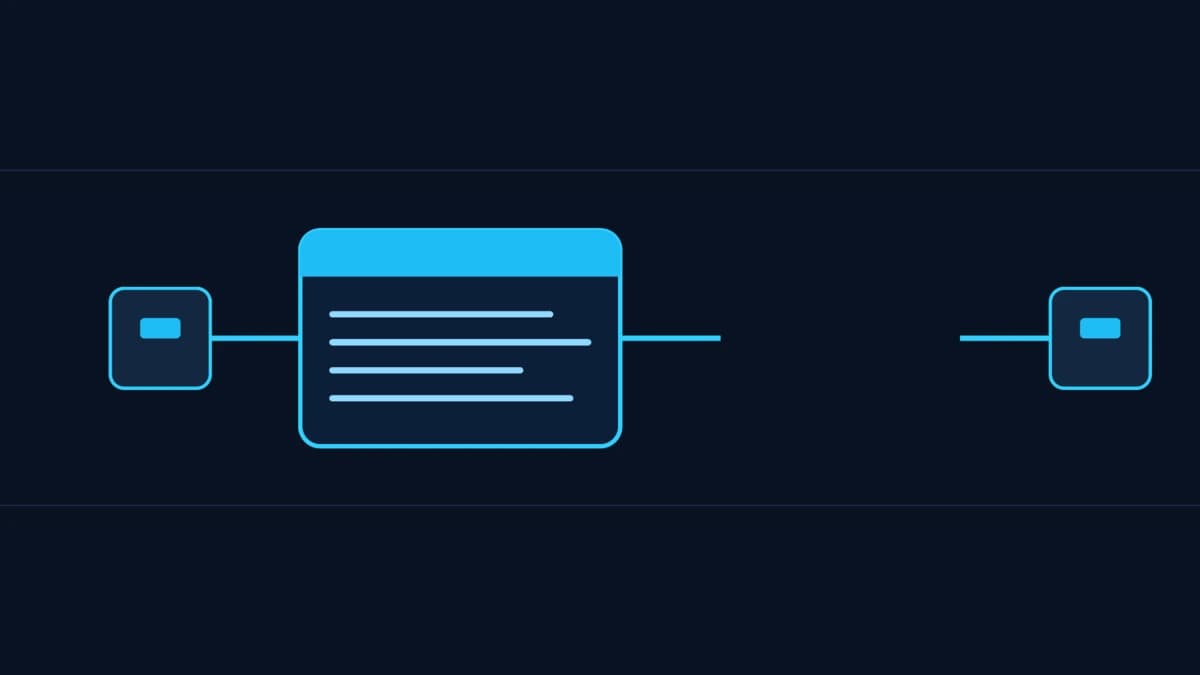
A block is a batch of transactions, bundled together with some metadata, and permanently added to a blockchain as a single record. Instead of writing every transaction to the ledger one at a time, a network collects a group of them, packages them into a block, and appends that block to the end of the chain. Once it is added and built upon, the block is effectively set in stone.
Think of the blockchain as a ledger made of pages, where each page is a block. You cannot rip out or edit a page in the middle without everyone noticing, because of the way the pages are linked, which is the part we get to shortly.
What Is Inside a Block?
The exact fields vary by network, but almost every block contains the same core ingredients:
- Transactions. The list of transfers, swaps, and contract calls included in this block.
- Block number, or height. Its position in the chain, counting up from the very first block.
- Timestamp. Roughly when the block was produced.
- The previous block's fingerprint. A reference to the block before it, which is what links the chain together.
- This block's own fingerprint. A unique hash derived from everything in the block.
That last pair, the reference to the previous block and the block's own hash, is the mechanism that makes a blockchain tamper-evident.
Block Height and How Blocks Chain Together
Every block carries the fingerprint of the block before it. That fingerprint is a hash, a value calculated from the block's entire contents, so if even one character in an old block changed, its fingerprint would change too. And because the next block references that fingerprint, changing one block would break the link to every block after it.
This is the heart of blockchain security. To rewrite a single old block, you would have to redo that block and every block stacked on top of it, faster than the rest of the network keeps building. The deeper a block is buried, the more impossible that becomes.
The block's position in this stack is its height. Block height simply counts how many blocks came before it, starting from the first one. A higher block number means a more recent block.
What Is Block Time?
Block time is how often a network produces a new block, on average. Some chains add a block every few seconds, others take longer. It is a design choice that trades off speed against stability. A short block time means transactions get included faster, while a longer one can make the chain simpler to keep in sync across the world.
Block time is also why your transaction is not always instant: it usually has to wait for the next block, and then for a few more blocks to stack on top before it is considered safely settled, a concept covered in Confirmation Depth.
How to Read a Block on an Explorer
You can inspect any block yourself on a block explorer. Open the explorer for a network, search for a block number, and you will see its height, timestamp, the list of transactions it contains, its hash, the previous block's hash, and often the fees and the party that produced it. Watching new blocks appear in real time is one of the best ways to get an intuitive feel for how a chain moves. If you are new to explorers, start with What Is a Blockchain Explorer.

Key Takeaways
- A block is a batch of transactions plus metadata, permanently appended to a blockchain as one record.
- Inside a block are its transactions, its number (height), a timestamp, its own hash, and the previous block's hash.
- Each block references the one before it, so altering an old block would break every block after it.
- Block height is a block's position in the chain, and block time is how often new blocks are produced.
- You can read any block on an explorer to see its contents, hash, and links.
A block is a small idea with enormous consequences. By bundling transactions and locking each package to the one before it, blockchains turn a simple list into a record that is practically impossible to rewrite. The next time you wait a few seconds for a transaction to confirm, picture it: your transfer is being sealed into a block, and that block is about to be chained to everything that came before it.
This article is educational and is not financial advice.