
What Is a Blockchain Fork? Hard Fork vs Soft Fork (2026)
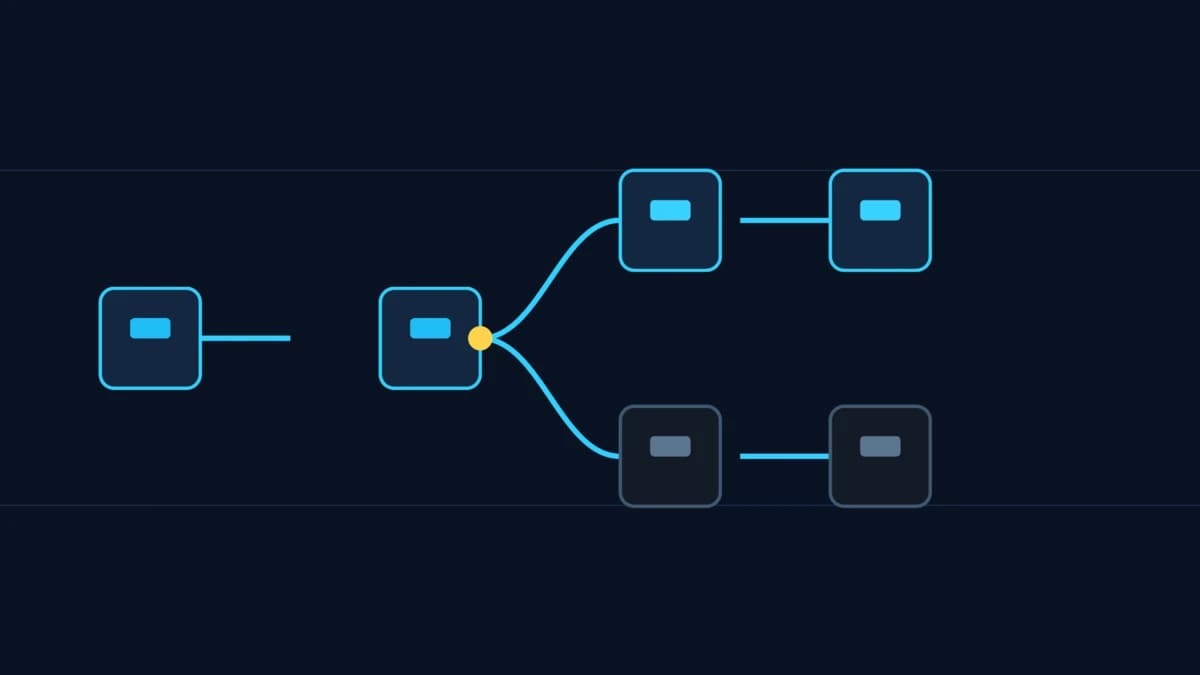
Intent check: This is the plain-English guide to blockchain forks, why they happen, and the difference between a hard fork and a soft fork. For the foundation underneath it, read What Is a Blockchain.
Blockchains are not frozen. Their rules get upgraded, communities sometimes disagree, and now and then two valid versions of history appear at the same moment. All of these are forks. The word sounds dramatic, and occasionally it is, but most forks are routine, planned, and invisible to everyday users. Understanding the difference between the kinds of fork tells you when to shrug and when to pay close attention.
This guide explains what a blockchain fork is, why forks happen, the crucial difference between a hard fork and a soft fork, how harmless temporary forks get resolved, and what a fork can mean for you as a holder.
What Is a Fork?
A fork is a split or change in a blockchain's path. It happens whenever the network can follow more than one version of the rules or more than one version of the chain's history. Sometimes that split is momentary and resolves itself in seconds. Sometimes it is a deliberate rule change rolled out by developers. And occasionally it is a permanent divide that creates two separate networks.
The key thing to hold onto is that fork is an umbrella word. Not all forks are the same, and most of them are perfectly normal parts of how a chain evolves and stays in sync.

Why Forks Happen
- Rule changes and upgrades. When a network improves itself, it changes the rules that all participants follow. That planned change is a fork.
- Disagreement. If part of a community wants different rules from the rest, the chain can split into two, each following its own path.
- Accident. Two blocks can be produced at almost the same time, briefly giving the network two candidate versions of the latest history until it settles on one.
Hard Fork vs Soft Fork
This is the distinction that matters most, and it comes down to one idea: backward compatibility.
| Soft fork | Hard fork | |
|---|---|---|
| Rule change | Tightens the rules | Changes or loosens the rules |
| Backward compatible? | Yes | No |
| Must everyone upgrade? | Not immediately | Yes, to stay on the chain |
| Can it split the chain? | Usually not | Yes, if the community disagrees |
A soft fork is backward compatible. It tightens the rules in a way that older software still accepts, so nodes that have not upgraded can keep following along, at least for a while. A hard fork is not backward compatible. It changes the rules so that old software would reject the new blocks, which means everyone has to upgrade to stay on the same chain. If part of the community refuses, a hard fork can permanently split one chain into two.
Harmless Temporary Forks
Not every fork is about rules. Because blocks are produced across a global network, two valid blocks can occasionally appear at nearly the same time, leaving nodes momentarily looking at two possible latest histories. The network resolves this automatically using its fork choice rule, quickly agreeing on one version and discarding the other. This kind of fork lasts seconds and is a normal part of how a chain stays consistent.
Upgrades Are Planned Hard Forks
Most major network upgrades you hear about are, technically, coordinated hard forks. The change is scheduled, everyone upgrades their software ahead of time, and the network moves to the new rules together without splitting. Ethereum's regular upgrades work this way, planned in advance so the transition is smooth, as with the Pectra upgrade.
What a Fork Can Mean for You
- For a routine upgrade, usually nothing. If you use a hosted wallet or exchange, they handle it. If you run your own node, you update your software.
- For a contentious split, a hard fork can create a second coin, giving holders a balance on both chains. These situations also attract scams, so be cautious about anything asking you to move funds to claim a forked token.
- Keep software current. The main practical duty is to run up-to-date wallet or node software so you stay on the chain you intend to.
Key Takeaways
- A fork is a split or change in a blockchain's rules or history, and most forks are routine.
- A soft fork is backward compatible and tightens the rules. A hard fork is not, and requires everyone to upgrade.
- A contentious hard fork can permanently split one chain into two separate networks and coins.
- Brief accidental forks are normal and are resolved automatically by the fork choice rule.
- Most big network upgrades are coordinated hard forks that everyone adopts together without splitting.
Forks are how blockchains change without a central authority pushing an update. Most of the time that process is quiet and coordinated, a scheduled upgrade that the whole network adopts at once. Now and then it is a genuine parting of ways that births a new chain. Knowing which kind you are looking at, backward compatible or not, planned or contentious, is all you need to read the headlines calmly.
This article is educational and is not financial advice.