
What Is a Testnet? Crypto Test Networks Explained (2026)
Intent check: This is the plain-English guide to what a testnet is and why it exists. If you just want free test tokens to try one, read How to Get Sepolia ETH.
Before a new app, token, or trade goes live with real money, someone almost always tries it first in a place where mistakes cost nothing. That place is a testnet. It looks and behaves like a real blockchain, it has its own explorer and its own coins, but none of it is worth anything. Testnets are where developers build, where cautious users practise, and where you can click the scary buttons without risking a cent.
This guide explains what a testnet is, how it differs from the main network, why testnets exist, where the free test tokens come from, the common testnets you will meet, and the safety traps to avoid, including a scam that preys on people who do not understand that test tokens are worthless.
What Is a Testnet?
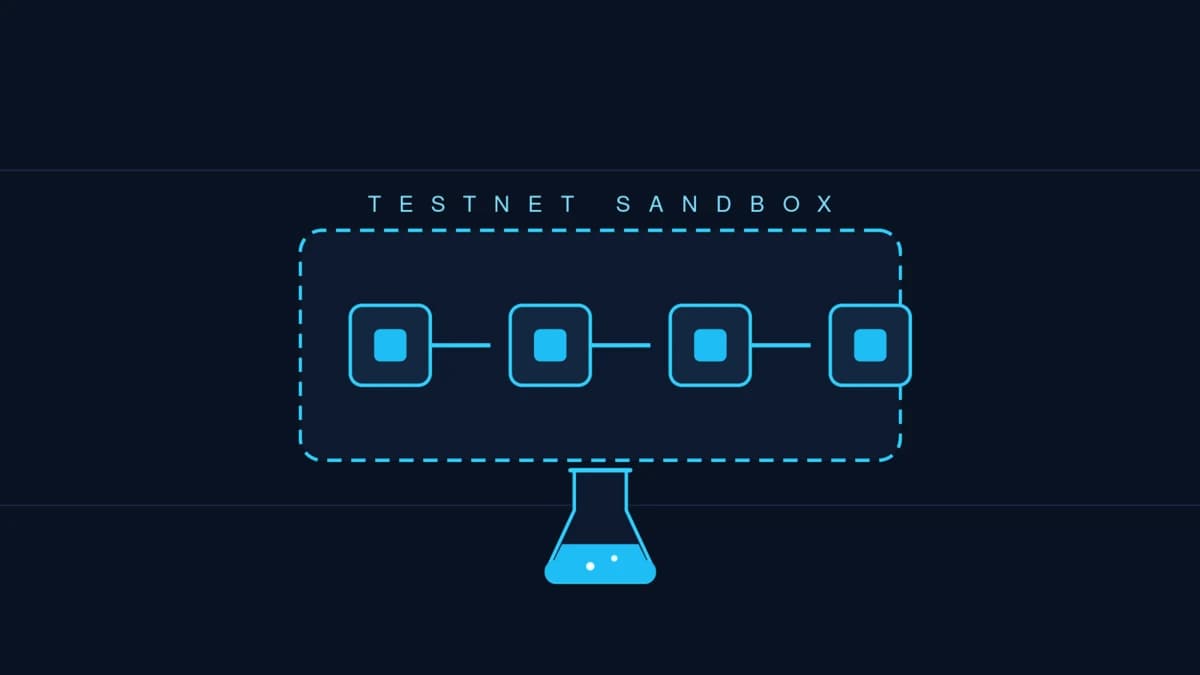
A testnet, short for test network, is a separate blockchain that mirrors how a real network works but uses valueless tokens. It runs the same kind of software, processes transactions the same way, and lets you deploy and use smart contracts, all without any real financial value changing hands. It exists purely so that people can experiment safely.
The network everyone actually uses, with real value, is called the mainnet, short for main network. A testnet is its risk-free rehearsal space.

Testnet vs Mainnet
| Mainnet | Testnet | |
|---|---|---|
| Token value | Real money | None, worthless |
| Where you get tokens | Buy them | Free from a faucet |
| Purpose | Real activity | Testing and practice |
| Mistakes cost | Real losses | Nothing |
Why Testnets Exist
- Safe development. Builders deploy and break smart contracts on a testnet before risking real funds on mainnet.
- Practice for users. You can learn to send transactions, use a new wallet, or try a dApp without any chance of losing money.
- Network upgrades. Major blockchain upgrades are rehearsed on testnets first, so bugs surface where they are harmless.
Test Tokens and Faucets
Because testnet tokens are worthless, you cannot buy them, and you do not need to. Instead you get them free from a faucet, a service that drips small amounts of test tokens to any address that asks. You still need those tokens to pay for transactions, since a testnet charges gas fees too, just in valueless coins.
Getting them is straightforward: paste your address into a faucet for the network you want and it sends you some. For step-by-step examples, see How to Get Sepolia ETH or, on Solana, How to Get Free SOL.
Common Testnets You Will Meet
- Ethereum: Sepolia is the main testnet most people use today, with Holesky aimed more at staking and infrastructure testing.
- Solana: it runs a devnet and a testnet for building and trying things with valueless SOL.
- Most chains have one. Nearly every serious network offers a testnet, and older ones are sometimes retired and replaced, as happened when Ethereum moved on from earlier testnets.
How to Use a Testnet
- Switch your wallet's network from mainnet to the testnet you want, for example Sepolia.
- Get test tokens from a faucet to cover gas.
- Do your thing, send a transaction, mint a test token, or try a dApp, exactly as you would on mainnet.
- Check it on a testnet explorer, a block explorer pointed at the test network, where your transactions appear just like on the real one. Learning to read that data is covered in How to Read On-Chain Data.
Safety Traps to Avoid
- Test tokens are worthless, full stop. Anyone selling you testnet tokens, or claiming a testnet coin will be worth money, is running a scam. There is no market for them by design.
- Never send real assets to a testnet, and never send test tokens expecting real value back. The two networks are separate worlds.
- Testnets can be deprecated. An old testnet may stop working when it is retired, so use the current recommended one.
- Habits still transfer. Practising safely is great, but remember that on mainnet the same mistake costs real money, so keep your guard up when you switch back.
Key Takeaways
- A testnet is a separate blockchain that behaves like the real one but uses valueless tokens for safe testing.
- The real network with actual value is the mainnet. A testnet is its risk-free rehearsal space.
- Test tokens are free from faucets and are needed to pay testnet gas fees.
- Common ones include Ethereum's Sepolia and Holesky and Solana's devnet and testnet.
- Test tokens have no value, so anyone selling them is scamming you, and the two networks never mix.
A testnet is one of the most useful tools in crypto for exactly the reason it is easy to overlook: it lets you make every beginner mistake for free. Whether you are a developer shipping a contract or a first-time user learning to send a transaction, doing it on a testnet first turns expensive lessons into harmless ones. Just remember that the moment you switch back to mainnet, the training wheels come off and every click counts.
This article is educational and is not financial advice. Testnet tokens have no monetary value.