
What Is the Fusaka Upgrade? Ethereum PeerDAS Explained (2026)
Intent check: This is the plain-English guide to Ethereum's Fusaka upgrade and the technology behind it. For the upgrade that came just before it, read Ethereum Pectra Upgrade Explained.
Ethereum evolves through scheduled network upgrades, and Fusaka is the latest one to go live. It is not the kind of upgrade that most users will notice directly on day one, because it does not add a flashy new feature to your wallet. What it does is quieter and arguably more important: it makes the whole rollup ecosystem that lives on top of Ethereum cheaper and more scalable, which flows down to lower fees on the Layer 2 networks where most on-chain activity now happens.
This guide explains what the Fusaka upgrade is, the blob capacity problem it was built to solve, the new technology at its heart called PeerDAS, what it means for everyday users and traders, and how it fits into Ethereum's longer scaling roadmap.
What Is the Fusaka Upgrade?
Fusaka is a scheduled Ethereum network upgrade, the successor to the Pectra upgrade. Its headline goal is to sharply increase Ethereum's capacity to carry the data that Layer 2 rollups depend on, without asking every node to shoulder more work. It does that by introducing a data availability technique called PeerDAS.
In short, Fusaka is a scaling upgrade aimed at the data layer. It continues the direction Ethereum set when it first introduced blobs, and it pushes the amount of blob space the network can offer much higher.
The Problem: Blob Capacity and Layer 2 Costs
Most activity on Ethereum today does not happen on Ethereum's main chain directly. It happens on Layer 2s, rollups that process transactions cheaply and then post their data back to Ethereum for security. The cost of that posted data is one of the biggest drivers of the fees you pay on an L2.
To make that data cheaper, Ethereum introduced blobs, dedicated bundles of temporary data attached to blocks specifically for rollups. Blobs made L2 fees dramatically cheaper. But there is a limit to how many blobs a block can carry, because historically every node had to download every blob in full. Push that too far and running a node becomes too demanding, which would hurt decentralisation. Fusaka is designed to break that trade-off.

PeerDAS Explained
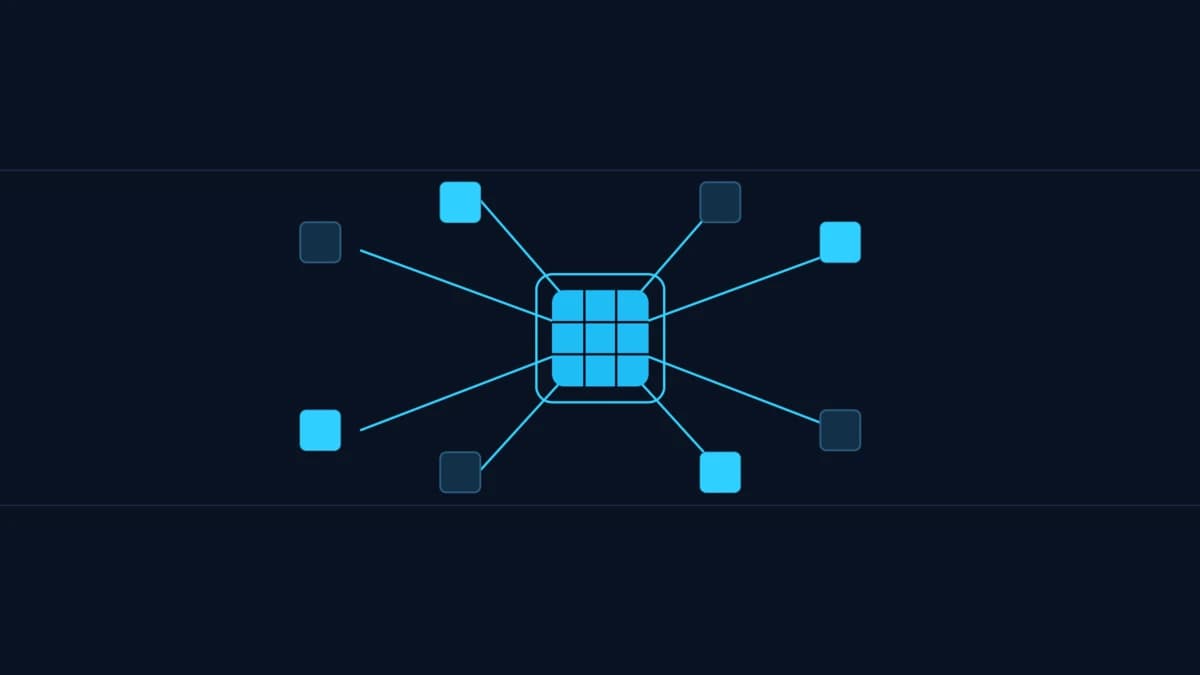
PeerDAS stands for Peer Data Availability Sampling, and it is the clever idea at the centre of Fusaka. The insight is that a node does not actually need to download an entire blob to be confident the data is available. It only needs to sample small random pieces of it, and check those pieces with the rest of the network.
If every node samples a different small slice, the network as a whole can verify that all the data is present, while each individual node only downloads a fraction of it. That means Ethereum can safely raise the number of blobs per block, because no single node is forced to carry the full load. More blob space, without a heavier burden on node operators, is the entire point.
The simple version: instead of every node reading the whole book to confirm it exists, each node reads a few random pages and they compare notes. Together they are sure the book is complete, and no one had to read all of it.
What Fusaka Means for You
- Cheaper Layer 2 fees. More blob capacity means rollups can post their data for less, and those savings tend to reach users as lower transaction costs. If you want to understand what makes up a fee in the first place, see What Are Gas Fees.
- More room to grow. Extra data capacity lets more rollups and more activity fit on top of Ethereum without congestion driving fees back up.
- Decentralisation preserved. Because PeerDAS keeps per-node requirements manageable, the scaling comes without pushing ordinary node operators offline.

How Fusaka Fits the Roadmap
Fusaka is one step in a long, deliberate plan to scale Ethereum through Layer 2s rather than by making the base chain do everything. The progression is easy to follow:
- Blobs arrive. An earlier upgrade introduced blobs, giving rollups cheap dedicated data space for the first time.
- Pectra. The previous upgrade improved accounts, validators, and other core areas.
- Fusaka. PeerDAS scales blob capacity so the rollup ecosystem can keep growing cheaply.
Each step moves Ethereum further toward being a secure settlement and data layer, with the cheap, fast activity happening on the rollups above it.
Key Takeaways
- Fusaka is Ethereum's network upgrade after Pectra, focused on scaling the data layer for rollups.
- It introduces PeerDAS, which lets nodes verify blob data by sampling small pieces instead of downloading all of it.
- That allows more blobs per block, so Layer 2s get more cheap data space without overloading nodes.
- For users, the practical result is lower and more stable Layer 2 fees and more room for activity to grow.
- It is one step in Ethereum's rollup-centric scaling roadmap, building on blobs and Pectra.
Fusaka is a good example of how Ethereum scales these days: not with a headline that fits on a banner, but with deep plumbing work that quietly makes everything built on top cheaper and more capable. You may never think about PeerDAS while you trade, but the next time a Layer 2 transaction costs a fraction of a cent, this is a big part of the reason why.
This article is educational and is not financial advice. Always do your own research.