

Network Congestion in Crypto: Beginner Guide 2026
Network congestion in crypto explained for beginners: why it happens and how it affects fees, confirmation times, and failed transactions on busy chains.

Markets and Trading Writer
Whatsertrade is a full-time crypto trader and writer at DEXTools News specialising in market cycles, technical analysis, and trading psychology. The focus is practical trading: reading market structure, managing risk, and applying on-chain and chart data to real decisions, written from the perspective of someone who trades.
581 articles published

Network congestion in crypto explained for beginners: why it happens and how it affects fees, confirmation times, and failed transactions on busy chains.

Learn what a failed transaction in crypto means, why it happens, and how to tell the difference between failed, reverted, and pending transactions.

Read MetaMask gas settings with confidence: learn what gas limit and priority fees mean, and when changing them actually saves you money.

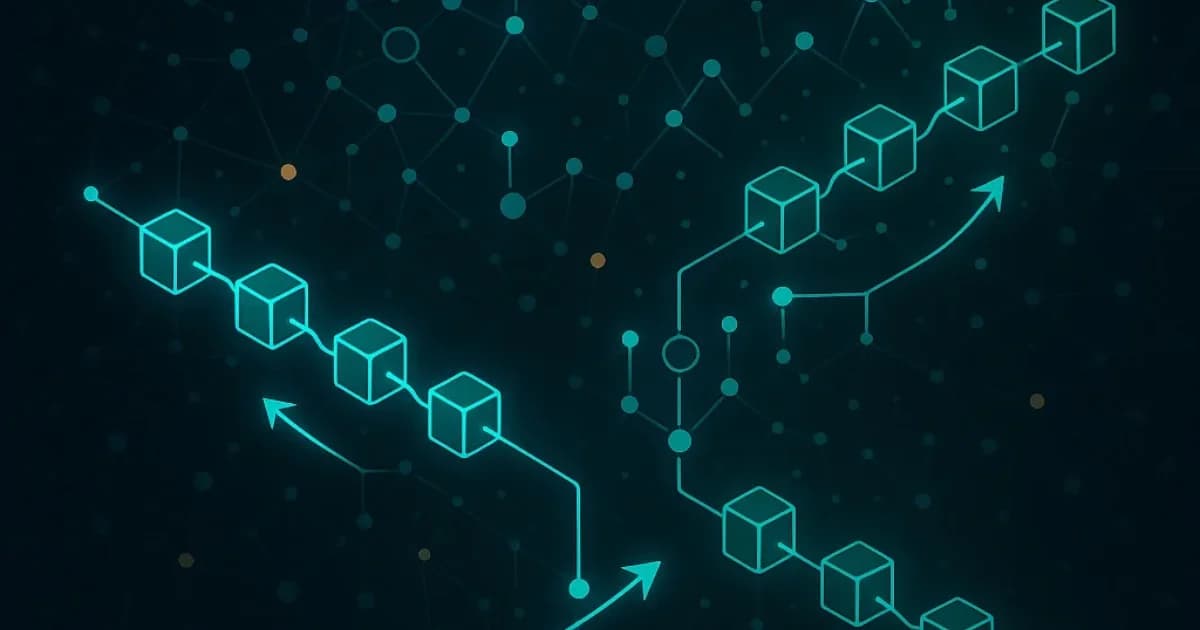
Learn what a fork choice rule is, how blockchains resolve competing histories, and why this matters for consensus, reorgs, and network security.

Learn what a state channel is, how off-chain transactions work, and how state channels compare with rollups and other blockchain scaling solutions.

What is an RPC endpoint? How wallets and dApps use RPC to connect to blockchain nodes, public vs private RPC, and why it matters for speed and security.

Uncover what rollup sequencers do, why they matter in Layer 2 models, and their effect on transaction ordering and network efficiency.

Light client in crypto explained: learn how it verifies blockchain data with headers and Merkle proofs and how it differs from running a full node.

Validator slashing in crypto is a penalty for rule breaches in proof of stake networks. Learn how it impacts validators and delegators.

Discover what block reorgs are in crypto, why they occur, and how they impact traders and blockchain stability.

Explore how protocol treasuries in DAOs are structured, managed, and why they're crucial for long-term success in crypto.

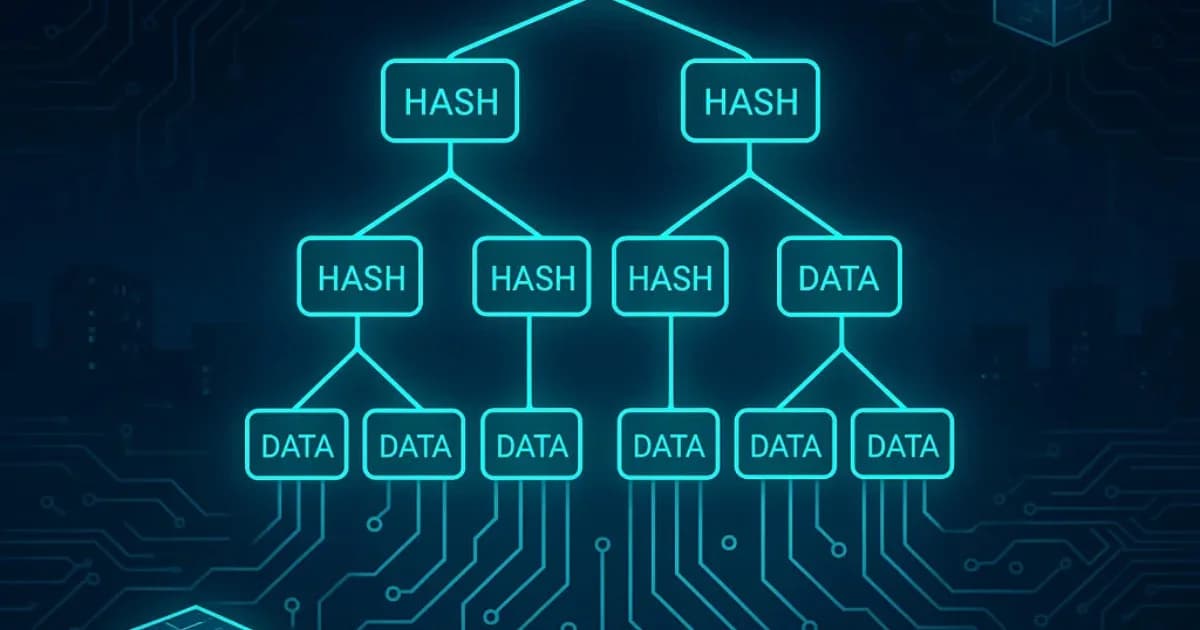
Merkle tree in crypto explained: how it powers proofs and proof of reserves, and why it lets blockchains verify large data sets quickly and efficiently.