
Tutorial
166 0
Tutorials
Deposit Growth vs Borrow Growth in DeFi: Guide
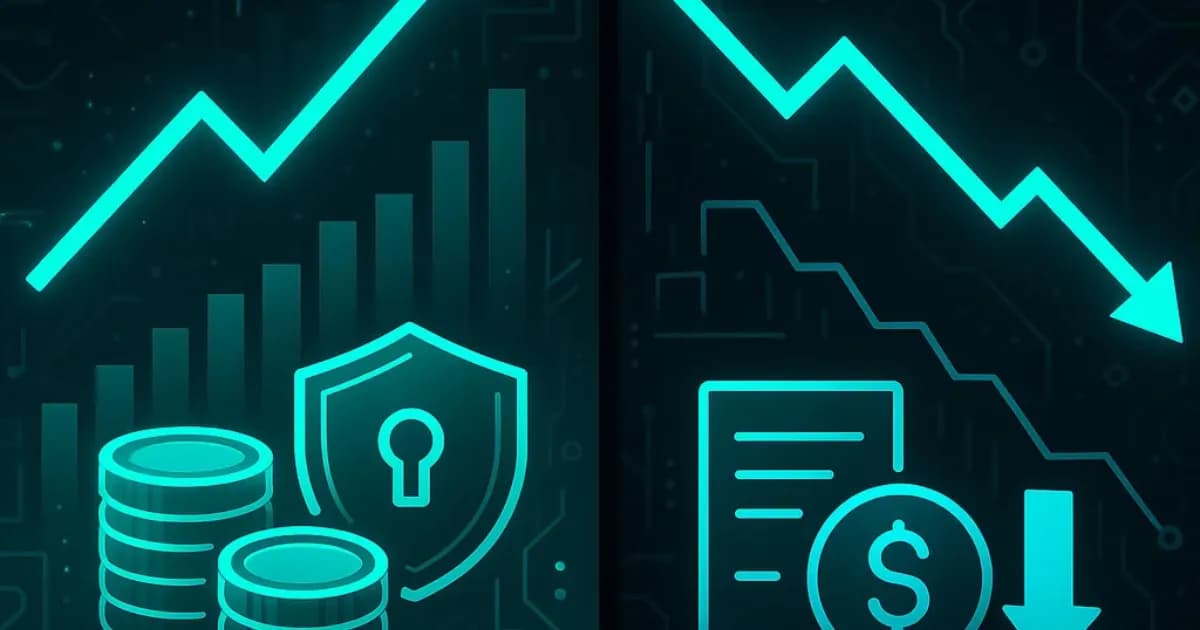
Deposit growth vs borrow growth in DeFi lending: learn to spot passive liquidity, real borrowing demand, and stronger protocol momentum in the data.
Whatsertrade 2 months ago
Step-by-step crypto and DeFi tutorials: how to trade on DEXs, read on-chain data, use DEXTools, spot scams, and manage risk. Practical guides for every level.
Deposit growth vs borrow growth in DeFi lending: learn to spot passive liquidity, real borrowing demand, and stronger protocol momentum in the data.
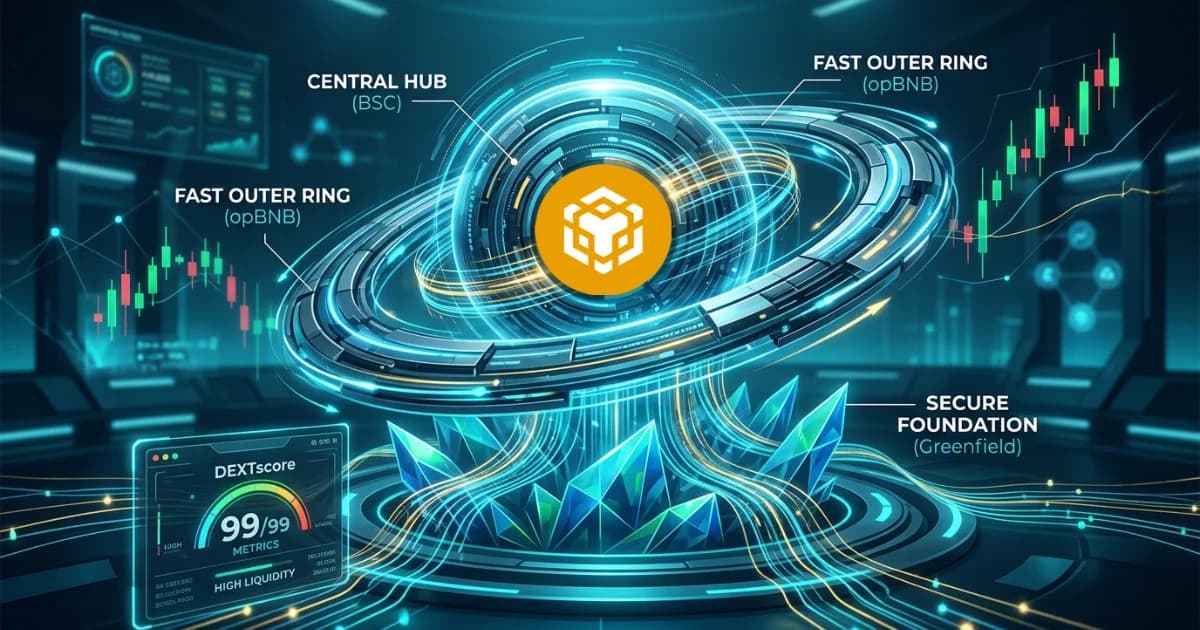
BNB Chain has evolved into a multi-chain stack. We analyze the 2026 roadmap, the opBNB rollup performance, and the role of Greenfield storage in the data economy.
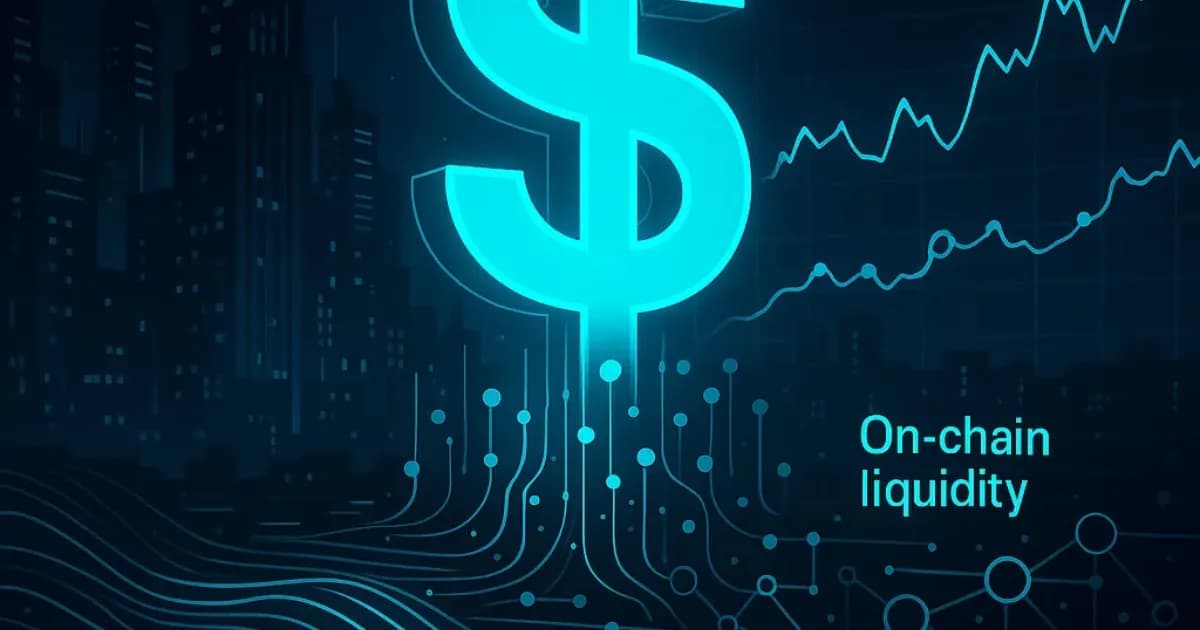
Stablecoin market cap vs on-chain liquidity explained: learn why usable liquidity often matters more for trading, DeFi access, and order execution.

Utilization rate vs TVL in DeFi lending: which metric reveals idle capital, real borrowing demand, and protocol health, with examples and red flags.

Learn what a TON memo tag is, when exchanges and services require it, how to send Toncoin or USDT on TON correctly, and what to do if you forgot the memo.
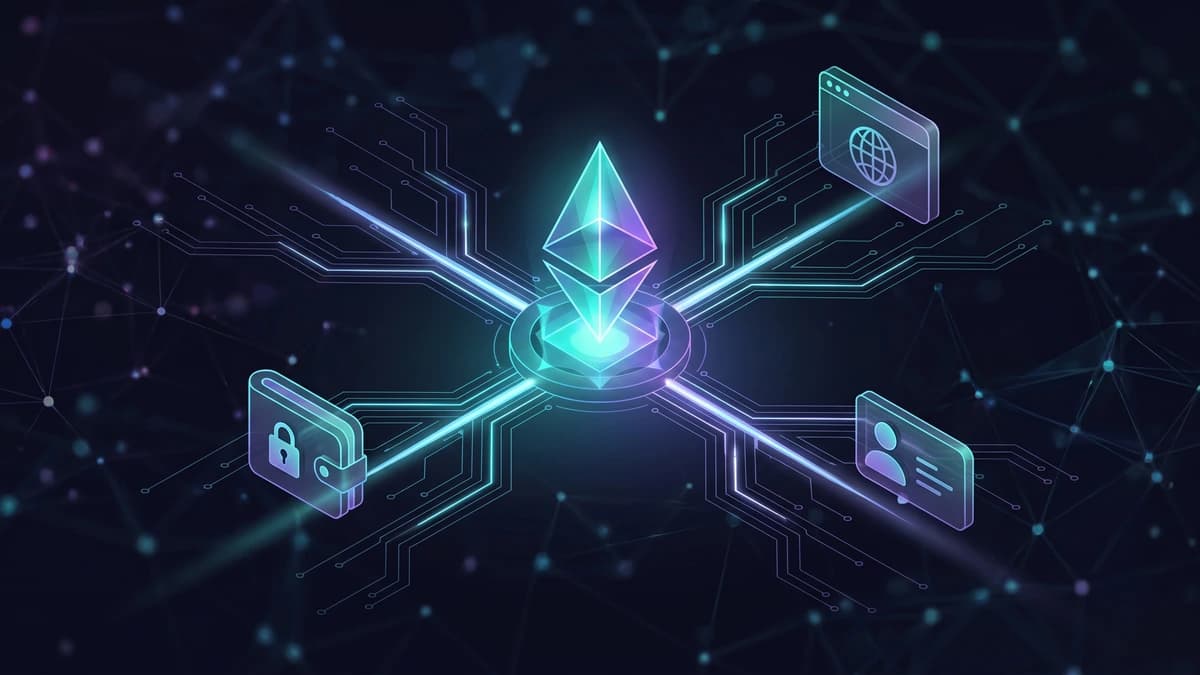
Learn what TON DNS is, how .ton domains work as NFTs, how to buy and configure a TON domain, and why readable names help usability without replacing trust checks.
How to use STON.fi on TON safely: wallet connection, first swaps, slippage checks, liquidity provision risk, and how DEXTools helps before you execute.
How to use DeDust on TON safely: understand volatile vs stable pools, check liquidity and slippage, and verify tokens with DEXTools before you swap.
Learn how to stake TON safely by comparing nominator pools, liquid staking, and exchange staking, then checking custody, withdrawal timing, and liquid-market quality before you commit funds.
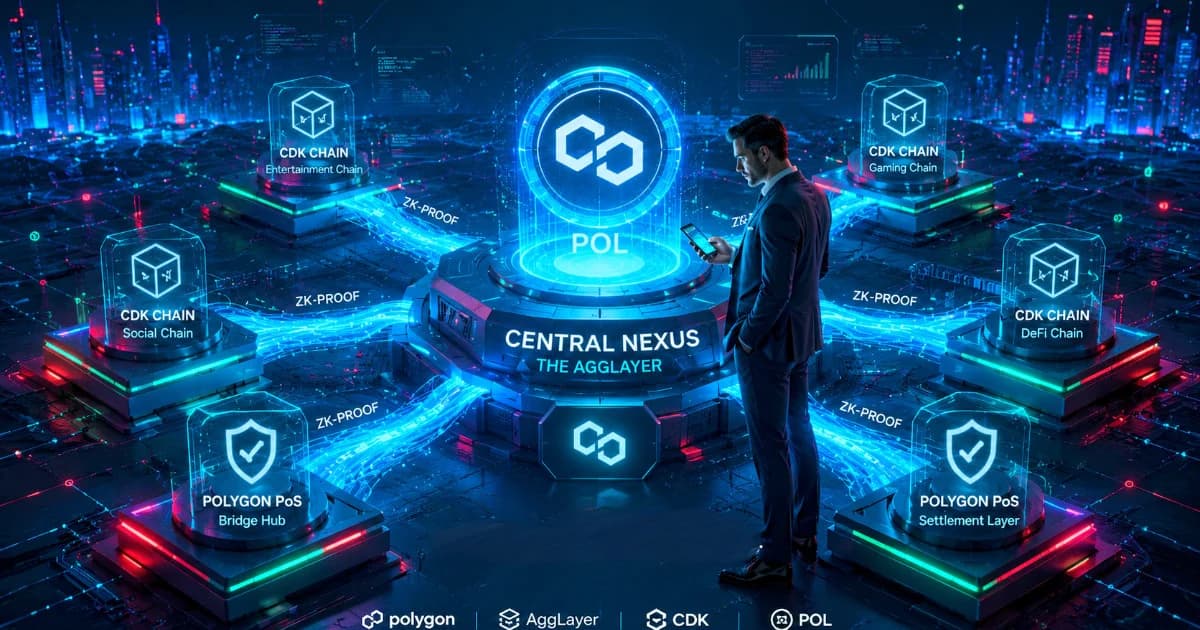
Polygon POL, CDK, and AggLayer form Polygon's unified ZK-powered ecosystem, enabling scalable, interoperable, and liquid Web3 applications.
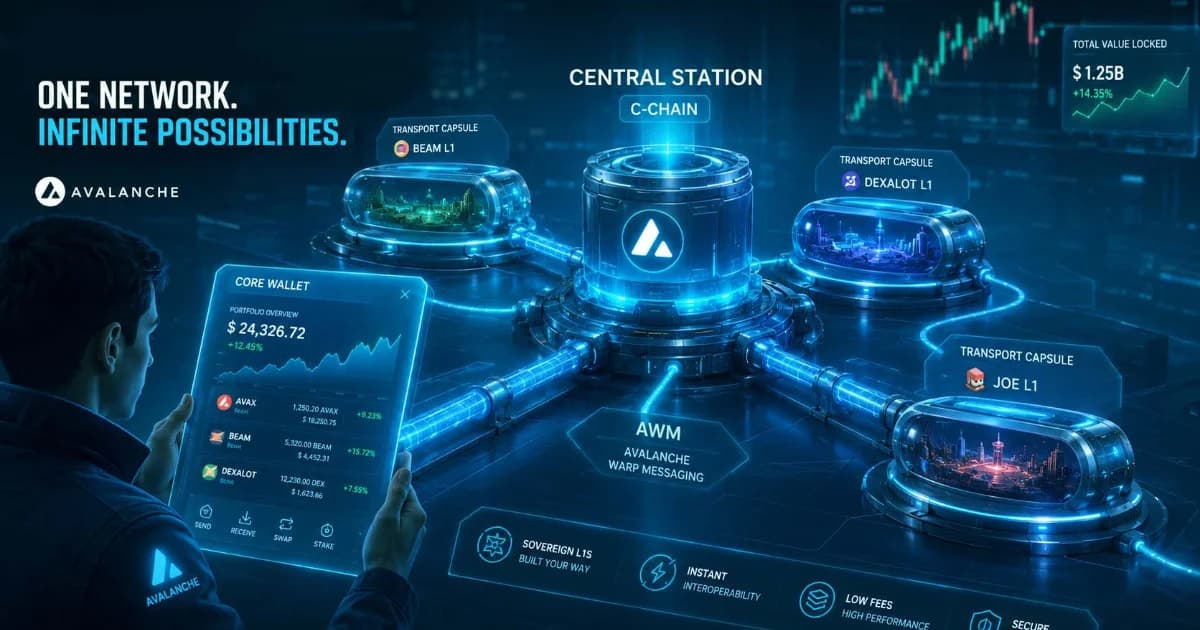
Avalanche L1s have redefined the ecosystem in 2026. We provide a sober guide on using top chains like Beam and Dexalot, plus a comparison of native bridges.
Avalanche has reinvented itself in 2026. From "Avalanche L1s" to the ACP-77 subscription model, we analyze the tech powering Wall Street's favorite blockchain.