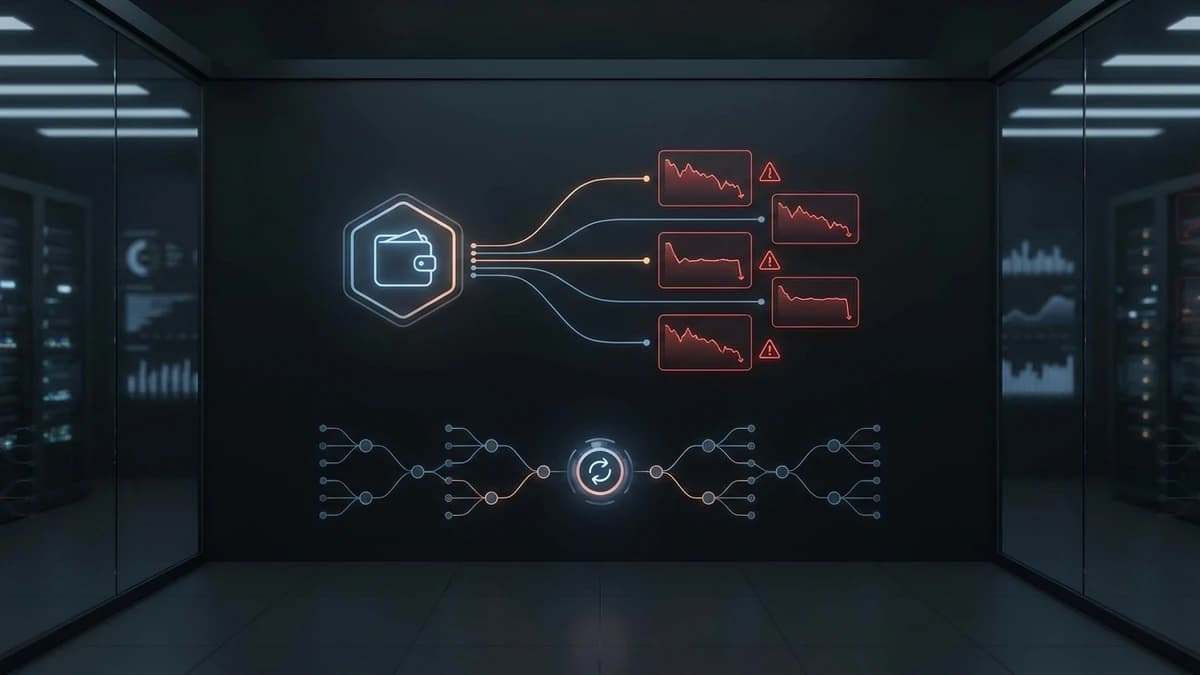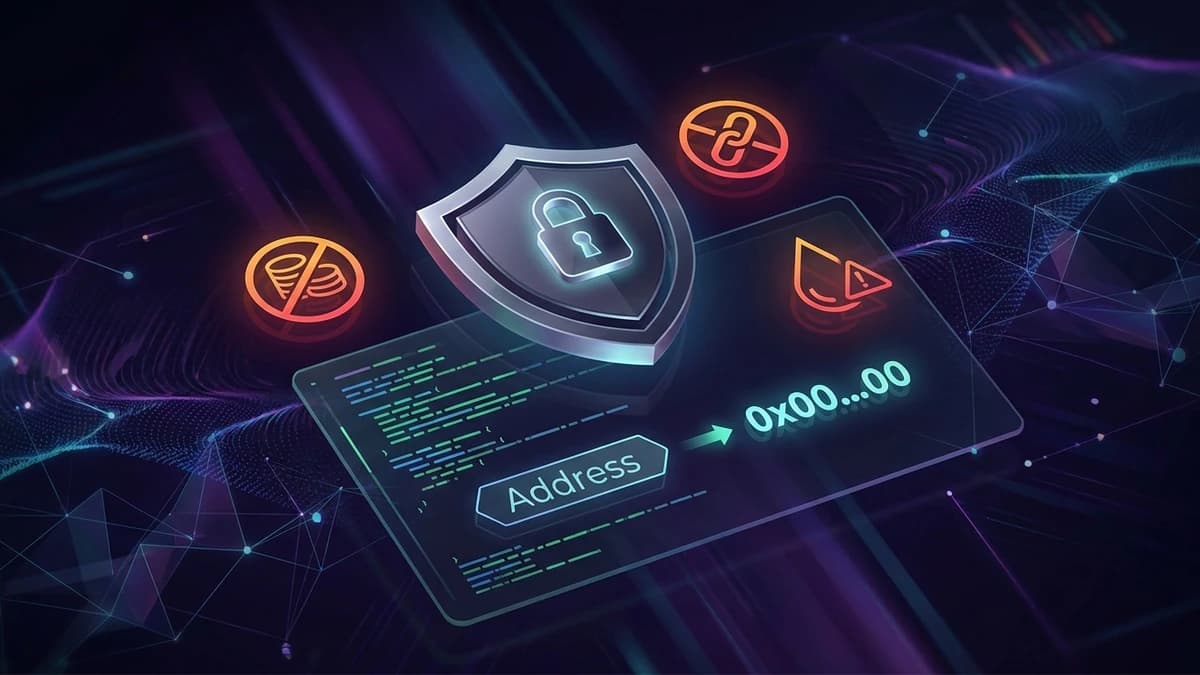

What Is a Blacklisted Token in Crypto? Guide 2026
Blacklisted tokens in crypto explained: learn how wallet blocks work at the contract level, why blacklist capability matters, and how to spot the risk.
Step-by-step crypto and DeFi tutorials: how to trade on DEXs, read on-chain data, use DEXTools, spot scams, and manage risk. Practical guides for every level.

Blacklisted tokens in crypto explained: learn how wallet blocks work at the contract level, why blacklist capability matters, and how to spot the risk.

Learn how to spot recycled deployers on new token launches by reading wallet history, holder overlap, dead-chart patterns, and liquidity structure (2026).

Learn what a renounced contract in crypto really means, what ownership renounced does and does not prove, and which red flags still matter before buying a token.

Discover the best meme coin maker tools for 2026, covering no-code deployment, AI design, community bots, and essential verification.

Learn how to create a meme coin for free in minutes: pick a chain, use a no-code launcher and add liquidity. A step-by-step 2026 guide, no coding.

Learn how much it costs to start a meme coin in 2026: no-code launch fees, liquidity, hidden expenses and the real budget behind a credible launch.

Track whales like a pro. We explain how to set up a Meme Coin Wallet Tracker, identify smart money, and use DEXTools to avoid address poisoning scams.

Holder count vs holder quality explained: learn why distribution, whale behavior, and retention can matter more than raw numbers in token analysis.

Market cap vs liquidity explained: learn which crypto metric matters most for safe trading and how to assess tokens for hidden exit and slippage risks.

Compare a WETH vs USDC pair and learn which trading pool may offer better liquidity, lower slippage, cleaner pricing, and safer execution.

Discover which meme coin chart indicators and charting sites matter most in 2026 and how to build cleaner setups for volatile low-cap trading.

Use a meme coin position size calculator to estimate profit ranges, downside, and market cap scenarios before entering volatile trades.